

Knowing Gutter Installation in Arkansas
Gutter installation in Arkansas is a essential part of property upkeep, specifically in areas like Fayetteville, where weather patterns can be unpredictable. As residents prepare for 2024, understanding the procedure and what to expect is vital. Gutter installation involves more than just attaching channels to a roof; it calls for careful planning, appropriate materials, and attention to local building codes. In Fayetteville, the combination of heavy spring rains and summer thunderstorms makes it even more essential to have a reliable gutter installation in place. For dependable Gutter Installation in Arkansas in Arkansas, AGM Gutters offers skilled advice and effective solutions.
The installation process typically begins with an assessment of the roof and existing gutters. Professionals evaluate the structure, slope, and drainage patterns to determine the best setup. In Arkansas, where the climate can vary significantly, the choice of materials and design plays a major role in the longevity and effectiveness of the system. Homeowners should be aware of the local weather conditions and how they impact the installation and maintenance of gutters.
With 2024 approaching, many residents in Fayetteville and surrounding areas are looking for reliable gutter installation services. The demand for quality work has increased, especially in cities like Little Rock and Springdale, where new developments are expanding. Choosing the right contractor is key to ensuring that the installation meets local regulations and provides long-term protection against water damage.
Common Gutter styles in Arkansas
In Arkansas, the prevalent gutter varieties include aluminum, steel, and vinyl. Each substance has its own merits and is appropriate for different situations. Aluminum gutters are lightweight and less likely to suffer from rust, which makes them a well-liked selection in areas like Fayetteville, where humidity can be elevated. Steel gutters are more durable and can withstand harsh climates, but they may require more maintenance over time. Vinyl gutters are economical and straightforward to put in, though they may not be as robust as metal alternatives.
Homeowners in Arkansas often choose gutters based on their financial plan, the environment, and the general look of their homes. In Fayetteville, where the landscape is a variety of urban and suburban areas, the look of the gutters can also influence the option. Some favor continuous gutters, which are made to fit and lower the possibility of leaks. Others choose segmented gutters, which are easier to install and swap out when required.
The kind of gutter put in can also affect the total care demands. For case, in areas like Little Rock, where humidity is elevated, gutters made of substances with good weather resistance are necessary. In Springdale, where housing growth is growing, the need for productive and sturdy gutter installations is going up. Grasping the choices on offer can support homeowners make informed decisions that match their individual demands and environment.
How Arkansas Climate Affects Gutter Installation
The climate in Arkansas has a direct impact on gutter installation and maintenance. Fayetteville, like much of the state, experiences a humid subtropical climate with hot summers and mild winters. This means that gutters must be able to tackle heavy rainfall, specifically during the spring and early summer months. In areas like Little Rock, where the climate is similar, property owners commonly face challenges with water runoff and likely harm to their homes if gutters are not properly installed.
Weather conditions in Arkansas can also affect the durability of gutters. For instance, in Springdale, where there has been a rise in residential construction, the require for gutters that can withstand both heavy rain and occasional strong winds has become more important. In Fayetteville, the combination of rain and temperature fluctuations can lead to concerns like ice dams in the winter, which need gutters that are both strong and well-maintained.
Residents in Arkansas should be aware of how their regional climate influences the installation workflow. In cities like Fort Smith and Conway, where the weather can be more variable, it's critical to select gutters that can handle both heavy precipitation and sudden temperature changes. Proper installation and regular maintenance are key to ensuring that gutters function effectively throughout the year.
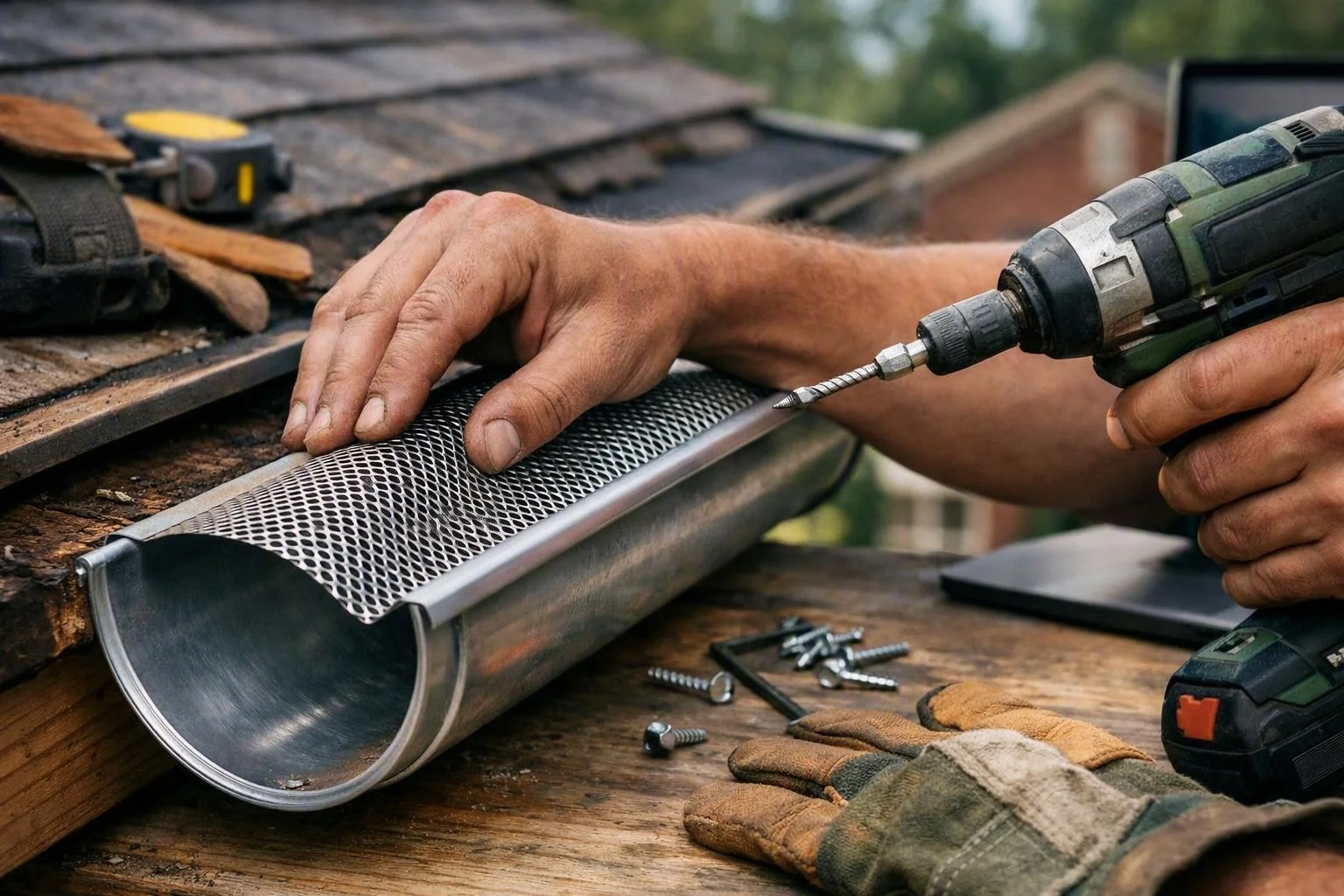
Prime Choices for Gutter Installation in Arkansas
When it comes to gutter installation in Arkansas, the choice of materials is critical. The most suitable materials for the region are those that offer robust weather resistance and durability. Aluminum alloy is a popular selection due to its lightweight attribute and anti-rust properties, making it suitable for areas like Fayetteville, where wet conditions are significant. Steel gutters are another choice, providing greater sturdiness and longevity, though they may require greater care over time.
For property owners in Little Rock and other parts of Arkansas, plastic gutters can be a cost-effective choice. They are simple to set up and immune to rust, but they may not be as durable as metallic options. In areas with excessive moisture, such as North Little Rock, choices that prevent mold and mildew are especially important. This is where the value of choosing the best material becomes clear.
In Springdale, where residential development is expanding, the requirement for robust and enduring gutter systems is growing. Homeowners are seeking choices that can withstand both intense rain and the daily use of regular use. In Fayetteville, where the environment can be changeable, the focus is on options that can manage both high temperatures and heavy rain. Picking the right material provides that the gutters perform well and need fewer repairs.
Cost of Gutter Installation in Arkansas
The cost of gutter installation in Arkansas can change depending on several factors, including the type of materials used, the size of the home, and the complexity of the installation. In Fayetteville, the average price for a standard installation spans from $300 to $1,500, depending on the materials and labor involved. Homeowners in Little Rock and Springdale may see similar pricing, though local market conditions can influence the final cost.
For those looking for a more budget-friendly option, vinyl gutters are often the most affordable choice. However, they may not last as long as aluminum or steel options, which can result in higher long-term costs. In cities like Fort Smith and Conway, where the construction industry is expanding, there may be more options for competitive pricing. https://nolan-le-2.federatedjournals.com/practical-pointers-for-organizing-do-you-need-permits-for-gutter-installation-in-arkansas It's crucial to get several quotes from local contractors to guarantee that the installation is both economical and excellent.
In Arkansas, the expense of professional gutter installation can also be influenced by the local labor market. In areas like Fayetteville, where there is a significant demand for skilled workers, the expense may be somewhat higher. However, spending in a reliable installation can save money in the long run by reducing the need for repairs and replacements. Homeowners should also think about the potential financial benefits from preventing water damage to their homes and landscaping.
Steps Involved in Professional Gutter installation
Expert gutter installation in Arkansas involves a series of procedures to make sure that the system is both functional and durable. The primary phase is an initial review of the home, where the contractor inspects the roof, existing gutters, and water patterns. This assists identify the best approach for the mounting and any important adjustments.
Once the evaluation is finished, the subsequent action is to calculate and shape the gutters to match the home's measurements. In Fayetteville, where homes can change in dimension and style, this phase is vital for ensuring a good placement. The gutters are then placed along the roofline, with brackets and supports applied to fasten them in place. In areas like Little Rock, where the environment can be more extreme, the mounting method may require more support to endure strong rain and gusts.
After the gutters are in positioning, the last phase is to test the system for correct runoff. This involves checking for gaps, ensuring that water moves easily into the downspouts, and making any necessary modifications. In Springdale, where fresh construction are frequent, this phase is especially crucial to make sure that the gutters operate properly in the future. Homeowners should also be informed of the service needs of their new gutter setup to preserve it in good shape.
Gutter care and Service in Arkansas
Keeping gutters in Arkansas is crucial to prevent water damage and ensure the system functions properly. In Fayetteville, where heavy rainfall is common, consistent cleaning is necessary to remove debris and prevent clogs. Homeowners should check their gutters at least on a biannual basis a year, especially after storms or periods of heavy rain.
Proper maintenance can also increase the lifespan of the gutters and minimize the need for costly repairs. In areas like Little Rock, where humidity is high, fungus and mildew can accumulate in gutters if they are not cleaned regularly. This can lead to corrosion and structural damage over time. In Springdale, where residential areas are expanding, the importance of regular maintenance is even greater to ensure that new homes are protected from water damage.
Homeowners in Arkansas should also be aware of the best practices for gutter cleaning. This includes applying a ladder safely, wearing protective gloves, and using a gutter scoop or brush to remove debris. In cities like Fort Smith and Conway, where the climate can be more variable, the schedule of cleaning may need to be changed based on local weather conditions. Frequent maintenance not only keeps the gutters in good condition but also helps prevent issues that could lead to costly repairs.
Building Codes and Regulations for Gutters in Arkansas
Building codes and regulations for gutters in Arkansas are designed to ensure that all installations meet safety and efficiency requirements. In Fayetteville, area regulations require that gutters be installed in a way that prevents water from pooling near the foundation of the residence. This is particularly essential in areas where heavy rainfall is common, as improper installation can lead to basement flooding and structural harm.
In Little Rock, where the climate is similar to Fayetteville, there are exact guidelines for the size and placement of gutters. These regulations assist ensure that the system can manage the expected amount of rainfall and direct water away from the residence. In Springdale, where new developments are on the rise, the city has updated its building codes to reflect the latest requirements for gutter installation.
Property owners in Arkansas should be aware of the regional building codes in their area before starting any installation. In cities like Bentonville, where there has been a construction boom, the codes have been updated to include more stringent requirements for gutter setups. These changes support ensure that all new installations are safe, effective, and long-lasting. Understanding and following these regulations is essential for any homeowner looking to install or replace their gutters.
Signs Your Gutters Need Repair in Arkansas
Knowing when your gutters need repair is essential for maintaining the integrity of your home. In Fayetteville, where the climate can be unpredictable, homeowners should watch for signs such as drooping gutters, water collecting near the foundation, or obvious cracks and leaks. These issues can lead to serious damage if not addressed promptly.
In areas like Little Rock, where humidity is high, mold and mildew can also be indicators that gutters need attention. https://pad.stuve.de/O7uy0Zv9S-Sr_NZxD6owGQ If you notice a musty smell or visible growth near the gutters, it may be a sign that water is not draining properly. In Springdale, where residential development is growing, the need for regular inspections is even more important to ensure that new homes are protected from water damage.
Homeowners in Arkansas should also be aware of the signs of damage and breakage that can occur over time. For example, in Fort Smith and Conway, where the weather can be more variable, gutters may show indications of rust or corrosion. These issues can lead to leaks and more destruction if not fixed. Regular inspections and prompt maintenance can aid stop expensive problems and guarantee that your gutter system continues to function successfully.
Gutter Installation Services in Fayetteville and Surrounding Areas
Gutter installation options in Fayetteville and surrounding regions are in great demand, especially as more property owners look to safeguard their real estate from the local unreliable weather. In Fayetteville, there are several trusted service providers offering professional setup and care services. These organizations grasp the local climate and can offer approaches that are adapted to the specific requirements of the area.
In Little Rock, where the climate is similar to Fayetteville, homeowners have opportunity to a wide variety of gutter placement choices. The region's growing inhabitants has led to an increase in the number of service vendors, making it more convenient for residents to find quality effort. In Springdale, where recent constructions are growing, the interest for reliable gutter options has also grown, with many professionals supplying reasonable pricing and rapid delivery times.
Homeowners in other nearby regions, such as Fort Smith, North Little Rock, and Rogers, can also benefit from area gutter setup solutions. These companies grasp the special issues of the region and can provide solutions that are both efficient and durable. In areas like Jonesboro and Pine Bluff, where the climate can be greater variable, the value of choosing a reputable service provider is more greater to assure that the placement satisfies local standards and supplies long-term security.
FAQ
What are the most common types of gutters used in Arkansas?
The common varieties of gutters applied in Arkansas consist of aluminum, steel, and vinyl. Lightweight gutters are favored due to their low weight and corrosion resistance, making them appropriate for zones like Fayetteville with high wetness degrees. Metallic gutters offer more resilience, while vinyl gutters are a cost-effective solution that is simple to set up.
How do environmental factors in Arkansas affect gutter installation?
Arkansas has a humid subtropical climate with hot summers and mild winters, which means gutters must manage heavy rainfall and occasional strong winds. In Fayetteville, where spring rains are common, appropriate installation is crucial to stop water damage. In Little Rock and Springdale, the require for weather-resistant materials is even greater due to the region's high humidity and regular storms.
What supplies are best suited for Arkansas weather?
Supplies that offer strong weather resistance are best suited for Arkansas. Aluminum gutters are a popular selection due to their durability and resistance to rust. Steel gutters offer additional strength, while vinyl gutters are cost-reliable and easy to preserve. In areas like Fort Smith and Conway, where the climate can be more variable, materials that can withstand both heavy rain and temperature changes are crucial.
What is the typical expense of gutter installation in Arkansas?
The cost of gutter installation in Arkansas varies depending on the materials used and the size of the residence. In Fayetteville, the average cost for a standard installation ranges from $300 to $1,500. In Little Rock and Springdale, similar pricing is frequent, though local market conditions can influence the final cost. Homeowners should consider the long-term benefits of a high-quality installation to avoid costly repairs in the future.
What are the steps involved in professional gutter installation?
Professional gutter installation involves several steps, including an initial assessment, measuring and cutting the gutters, installation along the roofline, and testing the system for proper drainage. In Fayetteville, where the climate can be unpredictable, these steps are crucial for ensuring that the system functions effectively. In cities like Little Rock and Springdale, the process may require additional reinforcement to handle heavy rainfall and strong winds.