

Why Gutter setup Matters in Arkansas
Gutter mounting holds a crucial role in protecting homes from moisture damage, especially in a region like Arkansas, where climate patterns can be unpredictable. The area experiences a variety of intense rainfall, thunderstorms, and sometimes snowfall, making it vital to have a well-designed and properly installed gutter setup. In towns like Conway, where the weather can shift significantly from season to period, allocating in quality gutter setup is not just a advantage—it’s a necessity.
Arkansas, known for its humid temperate climate, experiences an typical of 50 inches of rain yearly. This degree of precipitation can result to moisture accumulating around a residence's foundation, causing building challenges and fungus growth. In Conway, where the local landscape is a blend of metropolitan and outlying zones, the possibility of water injury is heightened by the presence of aged homes and different construction substances. Effective gutter installation ensures that precipitation is efficiently channeled away from the site, reducing the likelihood of expensive repairs later.
The value of gutter setup is additionally stressed by the demand to follow with local structure standards. In Arkansas, rules often ask gutters to be installed in particular ways to stop water from hurting the nearby area. For residents of Conway, grasping the regional weather patterns and how they affect the function of gutters is vital when selecting a professional.
When it comes to gutter setup, the correct contractor can create every the variance. Local professionals in Conway are well-versed with the certain challenges offered by the area's weather and can advise methods personalized to the demands of individual homes. Whether it’s a recent mounting or an upgrade, picking a professional with experience in the region guarantees that the job is done accurately and quickly.
Top Contractors for Gutter Installation in Conway
Locating the right contractor for gutter installation in Conway can be a daunting task, especially with so many options available. However, by focusing on area reviews and ratings, residents can make informed decisions that align with their requires and spending plan. Local contractors frequently have a better knowing of the particular challenges faced by property owners in the area, such as the impact of heavy rainfall or the need for sturdy materials.
When searching for top-rated contractors in Conway, it’s essential to look for those with a proven track record of quality work. Reviews and ratings provide valuable insights into the experiences of other residents, highlighting the strengths and weaknesses of distinct assistance providers. For example, a contractor with consistently positive reviews may be more reliable than one with mixed feedback. https://goldman-haynes-3.federatedjournals.com/a-complete-guide-to-qualified-gutter-installation-in-arkansas-1794959906 Ratings can also indicate how well a contractor tackles sudden issues, such as weather delays or material shortages.
In addition to reviews and ratings, it’s helpful to evaluate the range of support offered by each contractor. Some may specialize in exact types of gutters, such as vinyl or aluminum, while others may offer a more comprehensive approach. Understanding the scope of services can help homeowners determine which contractor best fits their needs. For instance, a contractor that offers both installation and maintenance services may be a good choice for those looking for long-term support. https://lundberg-deleon-2.blogbright.net/a-complete-guide-of-6-key-signs-you-need-to-replace-your-gutters-critical-details-that-matter-2026
It’s also worth noting that local contractors in Conway often have established relationships with suppliers, which can lead to better pricing and faster service. These relationships can be a significant advantage when it comes to obtaining high-quality materials at a reasonable cost. By choosing a contractor with strong local ties, homeowners can ensure that their gutter installation project is handled efficiently and effectively.
When evaluating contractors, it’s important to ask about their experience with similar projects in the area. A contractor with a history of successful installations in Conway is more likely to understand the unique challenges of the local climate and terrain. This expertise can translate into a more effective and durable gutter system that meets the specific needs of the homeowner.
Finally, it's always a wise idea to get several quotes from different contractors. This allows homeowners to compare prices and services, making sure they get the ideal value for their financial commitment. By spending the time to investigate and review local contractors, residents of Conway can reach self-assured decisions that preserve their homes and improve their overall residential encounter.
Gutter Materials Best Suited for Arkansas Climate
When it comes to gutter installation in Arkansas, the selection of components is important. The state’s environment, known by high dampness, frequent rainfall, and sometimes extreme weather, calls for supplies that can resist these situations without compromising function. Property owners in Conway and nearby locales need to pick materials that more than endure but also function successfully in the regional context.
Vinyl gutters are a favored choice for many residents in Arkansas due to their cost-effectiveness and reduced maintenance requirements. These gutters are resistant to corrosion and deterioration, making them suitable for locales with excessive downpours. However, they may not serve the optimal selection in locales with severe heat variations, as they can develop brittle in low elements. In cities like Little Rock and Fayetteville, where the climate can shift substantially, vinyl gutters are frequently applied in together with other supplies to provide maximum performance.
Aluminum gutters are another popular selection, recognized for their sturdiness and lightweight structure. They are unaffected to oxidation and can deal with intense precipitation, making them a good fit for the Arkansas weather. In Fort Smith and Springdale, where the landscape can be more difficult, aluminum gutters are frequently selected for their capacity to resist the elements without warping or worsening. Their malleability also allows them more convenient to set up in areas with intricate roof designs.
Steel gutters are less frequent in Arkansas due to their susceptibility to oxidation, but they are sometimes employed in certain applications where extra strength is required. These gutters can be covered with a protective layer to increase their durability, making them a viable selection for homeowners who focus on power over cost. However, they may demand greater care over period, especially in areas with extreme humidity.
Copper gutters are a premium selection that offers both aesthetic charm and sustained resilience. While they are more costly, they are resistant to degradation and can last for many years with minimal care. In towns like Rogers and Bentonville, where residents may be more inclined to spend in high-quality components, copper gutters are a favored selection. Their inherent patina can also contribute a special visual component to a property’s perimeter.
Ultimately, the best material for gutter installation in Arkansas depends on the particular calls for of the resident and the local climate. By evaluating elements such as durability, maintenance requirements, and cost, residents can make informed decisions that make sure their gutter systems perform effectively for years to come.
Vinyl Gutters in Little Rock and Fayetteville
Vinyl gutters are a popular choice for homeowners in Little Rock and Fayetteville, where the climate can be both humid and rainy. These gutters are known for their affordability and ease of installation, making them a useful option for many residents. In Little Rock, where the urban environment can lead to increased runoff from paved surfaces, vinyl gutters support manage water flow efficiently without the risk of rust or corrosion.
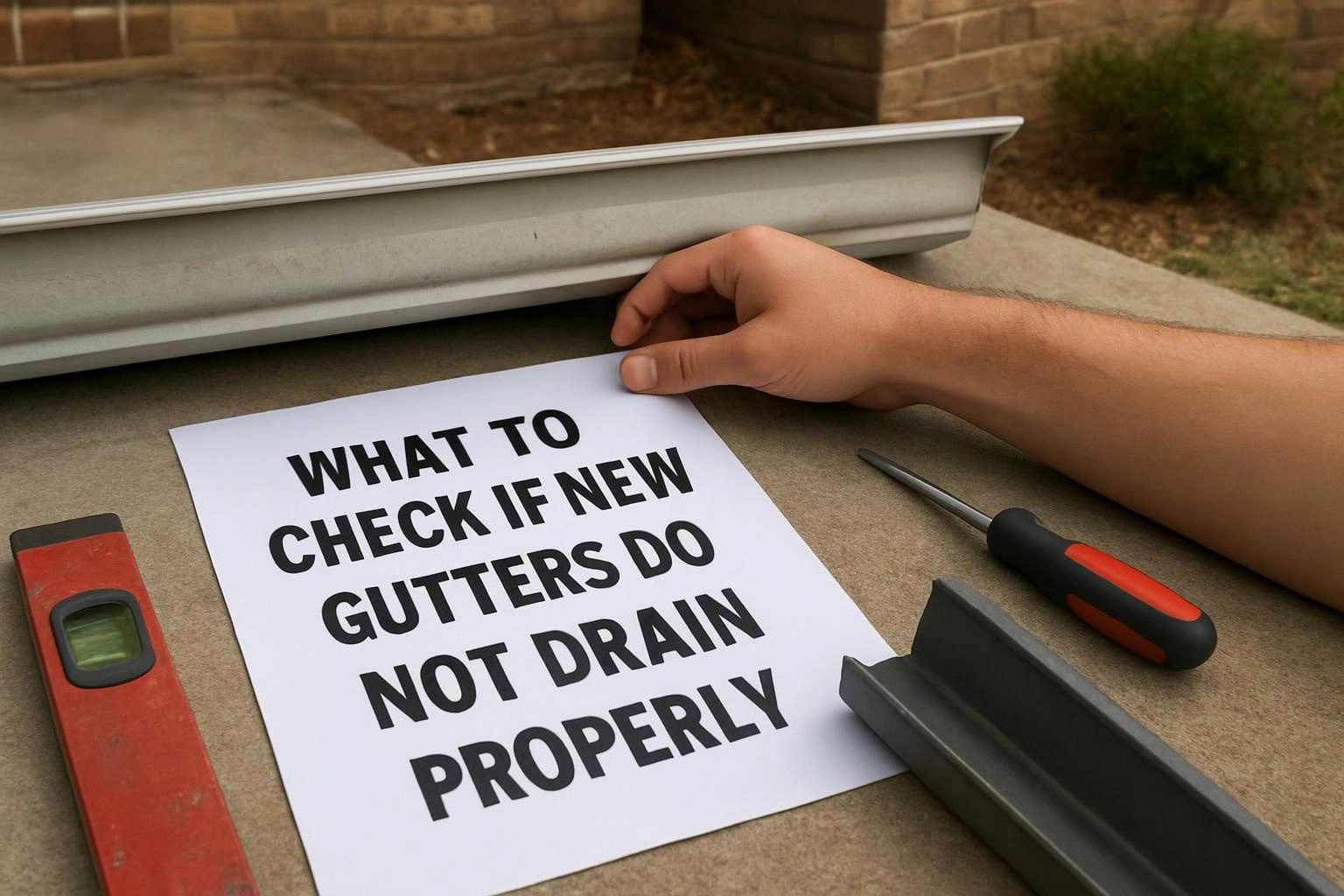
In Fayetteville, where the hilly terrain can affect water drainage, vinyl gutters are often used in combination with other materials to ensure optimal performance. Their lightweight design makes them easier to manage during installation, which is especially advantageous in areas with complex rooflines. Moreover, vinyl gutters call for minimal upkeep, which is a significant advantage for residents who want a long-term solution without frequent upkeep.
Despite their benefits, vinyl gutters may not be the best option in all situations. For instance, in areas with extreme temperature variations, they can become brittle and prone to cracking. However, in the relatively stable climate of Little Rock and Fayetteville, they offer a reliable and cost-effective solution for managing rainwater.
Aluminum Gutters in Fort Smith and Springdale
Aluminum gutters are a preferred choice for many homeowners in Fort Smith and Springdale, where the climate and terrain can present unique challenges. These gutters are known for their durability and resistance to rust, making them well-suited for the region’s frequent rainfall and high humidity. In Fort Smith, where the landscape is more varied, aluminum gutters provide a reliable solution for managing water runoff effectively.
In Springdale, where the growing population has increased the demand for reliable gutter services, metal gutters are often selected for their ability to withstand the elements without warping or wearing. Their slender yet strong construction makes them straightforward to mount, even in areas with complicated roof designs. Additionally, aluminum gutters are available in a range of colors, allowing homeowners to choose an option that matches their home’s exterior.
While aluminum gutters are generally minimal upkeep, they may require occasional cleaning to prevent obstructions, especially in areas with dense trees. However, their general effectiveness and endurance make them a favored option for residents in Fort Smith and Springdale who value both practicality and looks.
Expense of Gutter Installation in Arkansas
The price of gutter installation in Arkansas can vary depending on several factors, including the type of materials used, the size of the home, and the complexity of the installation. Homeowners in Conway and surrounding areas should be aware of these variables to make informed decisions about their gutter systems. Understanding the average costs can help residents plan their budgets effectively and avoid unexpected expenses.
In general, the cost of gutter installation in Arkansas ranges from $3 to $10 per linear foot, depending on the materials and labor involved. Polyethylene gutters tend to be the most affordable option, with installation costs typically falling on the lower end of this range. For homeowners looking for a budget-friendly solution, vinyl gutters offer a cost-effective way to manage rainwater without compromising on quality.
Metal gutters, while slightly more expensive, are a popular choice due to their durability and resistance to rust. In cities like Little Rock and Fayetteville, where the climate can be more challenging, aluminum gutters are often preferred for their long-term performance. The cost of installation for aluminum gutters typically ranges from $5 to $12 per linear foot, making them a mid-range option for many homeowners.
Steel and brass gutters are generally more expensive, with installation costs ranging from $10 to $20 per linear foot. These materials are often chosen for their aesthetic appeal and longevity, making them a good investment for homeowners who prioritize both functionality and visual appeal. However, the higher cost may not be feasible for all budgets, so it’s important to weigh the long-term benefits against the initial expense.
In addition to material costs, labor expenses can also impact the overall price of gutter installation. In areas like Fort Smith and Springdale, where the demand for gutter services is high, labor costs may be slightly higher due to the increased competition for skilled professionals. Homeowners should consider these factors when budgeting for their projects.
It’s also worth noting that the price of gutter setup can change based on the dimensions of the home. Larger homes with more complicated rooflines may need additional labor and supplies, which can rise the overall price. For residents in towns like Rogers and Bentonville, where homes can change significantly in scale and structure, it’s important to get numerous proposals from area professionals to confirm a just and comparable price.
By comprehending the factors that affect the price of gutter installation in Arkansas, property owners can make knowledgeable choices that align with their requirements and resources. Whether they choose vinyl, metal, or a higher premium substance, picking the right selection can provide long-term advantages and protect their asset.
Gutter installation Steps in Arkansas
The procedure of gutter installation in Arkansas involves several important actions to ensure that the system functions effectively and adheres to local standards. Homeowners in Conway and adjacent locations should be knowledgeable about these steps to know what to expect during the assembly procedure. Each stage of the installation has a crucial function in the overall effectiveness and longevity of the gutter unit.
The first phase in gutter installation is a site evaluation, where a qualified builder evaluates the home’s eaves, existing gutters, and runoff system. This assessment supports determine the kind of materials needed and the best strategy for installation. In cities like Little Rock and Fayetteville, where the terrain can change, this step is especially vital to confirm that the gutter system is adapted to the particular demands of the home.
Next, the installer will clear the site by cleaning the area and removing any existing gutters or debris. This step is essential for ensuring that the new system is set up correctly and without hindrances. In areas like Fort Smith and Springdale, where the rising population has led to an growth in gutter programs, this setup helps streamline the installation procedure.
Once the site is ready, the contractor will fit the new gutters, attaching them to the home’s fascia board. Appropriate setup is vital to avoid leaks and guarantee that water is guided away from the foundation. In cities like Rogers and Bentonville, where homeowners may have particular tastes, the contractor will work closely with the client to meet their expectations.
After the gutters are installed, the final step involves checking the system to ensure that it operates as intended. This includes checking for leaks, confirming proper drainage, and making any required changes. In areas like North Little Rock and Pine Bluff, where the weather can be variable, this step is important to confirm that the system can handle the region’s climatic factors.
By adhering these guidelines, property owners in Arkansas can confirm that their gutter system is set up correctly and offers extended security. Working with a qualified contractor in Conway and adjacent locations can help streamline the procedure and guarantee that the configuration adheres all required criteria.
Local Building Codes for Gutters in Arkansas
In Arkansas, municipal construction codes for gutters are created to ensure that all projects meet particular security and effectiveness standards. These guidelines are particularly crucial in urban areas like Conway, where the environment and topography can impact the success of a gutter installation. Grasping these rules helps property owners pick the proper installer and guarantees that their installation complies with municipal standards.
One of the important features of these regulations is the necessity for correct drainage. In Arkansas, where intense precipitation is frequent, gutters must be placed in a way that efficiently channels rain away from the property’s groundwork. This involves making sure that water pipes are placed correctly and that the setup can manage the volume of moisture during highest precipitation phases. In cities like Little Rock and Fayetteville, where the city environment can cause to higher water flow, these regulations are especially vital.
Another important regulation deals with the components used in gutter project. In Arkansas, regional codes typically define the varieties of supplies that are acceptable, taking into consideration the area’s climate and the durability of the materials. For case, in regions like Fort Smith and Springdale, where the terrain can be more difficult, contractors may be obliged to use supplies that can resist the weather without warping or wearing down. This supports guarantee that the gutter system remains operational for years to follow.
In regard to component standards, local codes may also determine the project procedure. For instance, in towns like Rogers and Bentonville, where the demand for gutter assistance is great, professionals must follow particular standards to make sure that the project is done properly. This covers attaching gutters to the home’s edge and guaranteeing that the setup is properly inclined to help water flow
Following with these codes is crucial for residents in Conway and nearby regions. By working with a qualified installer who is familiar with regional rules, people can make sure that their gutter system is placed correctly and fulfills with all required standards. This more than guards their investment but also supports prevent likely issues that could happen from non-compliance.
Maintaining Gutters in Arkansas: How Often to Clean
Regular maintenance is essential for ensuring that gutters in Arkansas perform effectively and last for years. The state’s weather, with its mix of heavy rainfall and occasional extreme weather, means that gutters can quickly become clogged with leaves, debris, and other materials. In cities like Conway, where the local surroundings can vary significantly, homeowners should be aware of the best practices for maintaining their gutter systems.
The regularity of gutter cleaning in Arkansas generally depends on the surrounding landscape and the types of trees near the home. In areas with a lot of greenery, such as Little Rock and Fayetteville, gutters may need to be cleaned often to prevent blockages. A general guideline is to clean gutters at least on two occasions a year, once in the early season and once in the second half, to remove accumulated debris and ensure proper water flow.
However, homeowners in regions like Fort Smith and Springdale may need to clean their gutters frequently, especially after periods of heavy rainfall or strong winds. These circumstances can lead to an higher amount of debris being deposited into the gutters, which can cause clogs and reduce the system’s function. By staying proactive with maintenance, residents can avoid costly repairs and ensure that their gutters function as intended.
In regard to cleaning, regular reviews are an crucial part of gutter maintenance. Homeowners should check for signs of injury, such as leaks, bending, or loose attachments. In cities like Rogers and Bentonville, where the increasing population has led to an surge in gutter services, it’s helpful to have a expert inspect the system frequently to identify any potential issues before they become significant problems.
By following these maintenance practices, homeowners in Arkansas can lengthen the lifespan of their gutter systems and safeguard their homes from water harm. Whether it’s a straightforward cleaning or a additional complete inspection, staying on top of gutter maintenance is a crucial part of residence maintenance in the region.
FAQ
What are the most common types of gutters used in Arkansas?
Common types of gutters used in Arkansas include polyethylene, alloy, and cast iron. Plastic gutters are favored for their affordability and easy care, while metal gutters are appreciated for their durability and corrosion resistance. Cast iron gutters are rarely used but offer robustness and longevity. In cities like Little Rock and Fayetteville, vinyl and metal gutters are frequently used due to their suitability for the local climate. For trustworthy Gutter Installation in Arkansas in Arkansas, AGM Gutters provides expert advice and workable options.
How do climate conditions in Arkansas affect gutter installation?
Arkansas’s climate, defined by high humidity and regular rain, impacts the selection of components and installation techniques. In areas like Fort Smith and Springdale, where the ground is tough, gutters must be engineered for large volume of water. Proper installation makes sure gutters can effectively manage water runoff and protect the home’s foundation.
What materials are best suited for Arkansas weather?
Materials that are most appropriate for Arkansas weather include metal and polyethylene gutters. Aluminum gutters are durable and resistant to rust, making them suitable for the region’s frequent rainfall. Polyethylene gutters are also a good choice due to their affordability and resistance to corrosion. In cities like Rogers and Bentonville, where the weather fluctuates, these materials are commonly chosen for their long-term performance and reliability.
What is the typical cost of gutter installation in Arkansas?
The typical cost of gutter installation in Arkansas varies between 3 to 10 for each foot, based on the elements and workforce. Vinyl gutters often are the least expensive, while aluminum gutters are a moderate price option. In cities like Little Rock and Fayetteville, where the need for gutter services is considerable, prices change depending on the difficulty of the setup and the materials chosen.
What are the processes involved in professional gutter installation?
Professional gutter installation involves several steps, including a site evaluation, preparation of the area, installation of the gutters, and final verification. In cities like Conway and surrounding areas, contractors follow these steps to ensure that the system is installed correctly and meets local building codes. Each stage is important for ensuring that the gutters operate effectively and deliver long-term safety for the home.